19.11.2024
5 mins
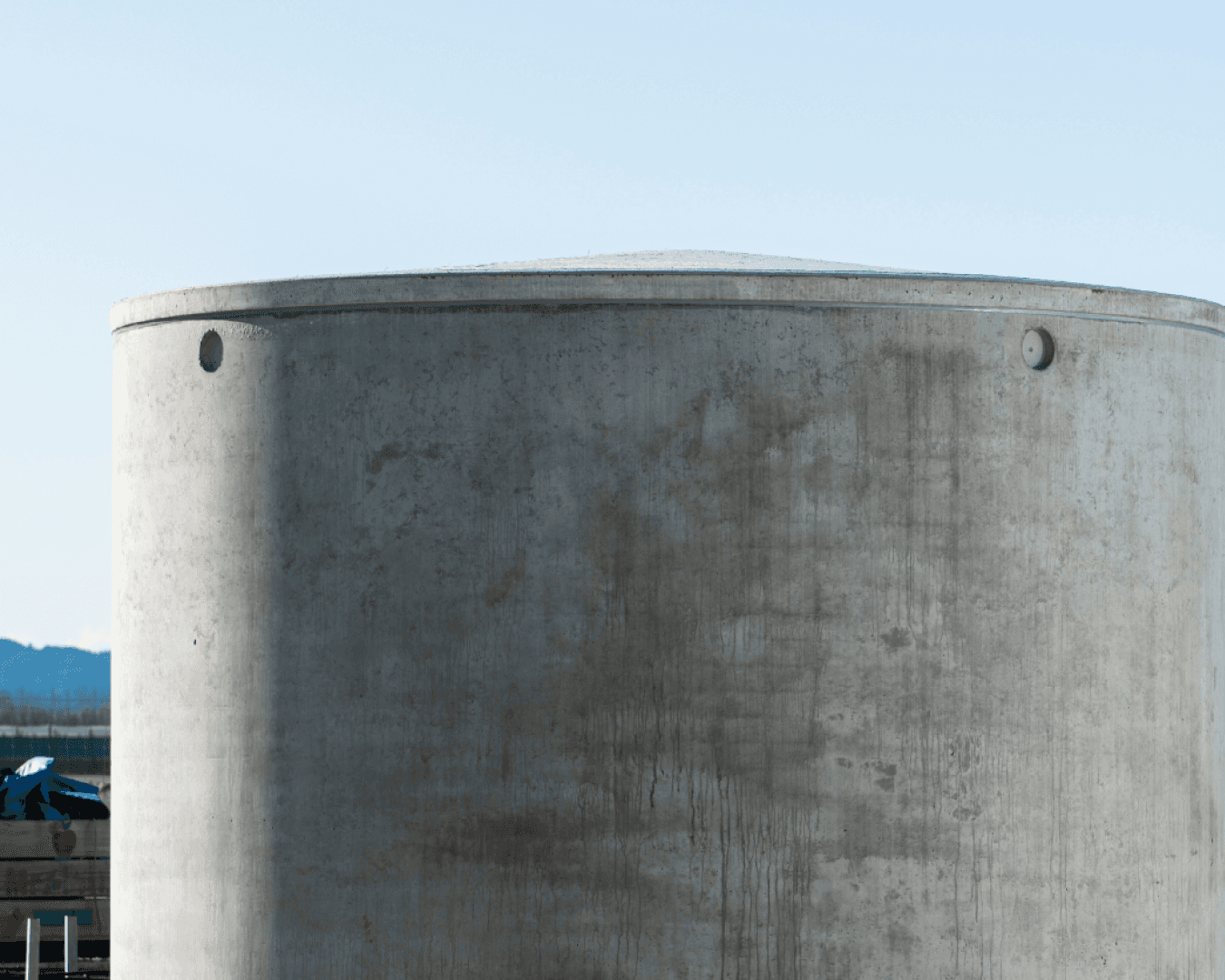
At some point, almost every water tank, irrigation pond, or containment structure shows signs of age. Concrete develops hairline cracks. Steel corrodes. Original liners degrade, delaminate, or fail at the seams. When that happens, asset owners face a decision: demolish and replace, or reline?
In most cases, relining is the right answer — and the economic case is compelling.
The Cost of Replacement
Replacing a water tank or pond is not simply a matter of purchasing a new one. For in-ground structures, demolition involves excavation, removal, and disposal of the existing asset, followed by earthworks, construction of the new structure, and reinstatement of the surrounding area. For above-ground tanks, decommissioning, removal, and disposal costs can be substantial in their own right. Throughout the process, the asset is out of service — often for weeks or months.
Relining works with what is already there. The existing structure provides the substrate. A new HDPE geomembrane liner is fabricated and welded in place over the prepared surface, restoring full containment integrity at a fraction of the replacement cost and in a fraction of the time.
What Relining Involves
A professional relining project begins with a thorough site assessment. The condition of the existing structure is evaluated to confirm it is mechanically sound. A tank or pond that has suffered structural failure — major cracking, significant movement, or collapse of walls — may not be a candidate for relining, and a structural engineer's assessment may be required before proceeding.
Where the structure is sound, the preparation process involves cleaning and drying the internal surfaces, removing any loose material, and addressing any protrusions or sharp edges that could damage the liner. The HDPE geomembrane is then installed in panels, with each seam thermally welded and non-destructively tested before the next panel is placed.
For concrete tanks and reservoirs, the liner is typically anchored at the top of the structure using a mechanical batten system — flat bar or angle section fixed through the liner into the concrete at the perimeter. This prevents the liner from lifting under hydrostatic pressure when the tank is emptied.
How Long Does a Relined Tank Last?
A correctly installed HDPE geomembrane liner in a water storage application — protected from direct UV exposure when the tank is full — has a design service life measured in decades. The liner is inert to the stored water, does not corrode, and does not support biological growth. Provided the underlying structure remains stable, there is no inherent reason for the liner to fail within its design life.
The most common causes of liner failure in relining projects are inadequate surface preparation before installation, poor welding quality, or mechanical damage caused by inappropriate cleaning equipment introduced into the tank after relining.
Is Relining Always the Right Answer?
Not always. A structure that has lost structural integrity, is in the wrong location, or is no longer the right size for its purpose should be assessed individually. A good relining contractor will give you an honest assessment of whether your asset is a suitable candidate, rather than proceeding regardless.
However, for the majority of aging tanks and ponds that remain structurally sound, relining offers a cost-effective, low-disruption solution that extends asset life significantly. It avoids the waste and cost of demolition, the delay of new construction, and the disruption of extended downtime.
Talk to Us
GR Environmental Lining Ltd has relined water tanks, irrigation ponds, and containment structures across New Zealand for over 30 years. If you have an aging tank or pond showing signs of deterioration, we are happy to carry out a site assessment and provide an honest appraisal of your options. Contact us at patrick@environmentallining.co.nz or call +64 27 484 3206.